

Investing in high-yield green energy offers an exceptional opportunity to generate substantial passive income while accelerating the global transition toward sustainability. As capital markets align with environmental goals, renewable energy projects have transformed from niche speculative ventures into robust assets providing high yields and strong long-term cash flows.
Understanding High-Yield Green Energy Investment Opportunities
High-yield green energy investments focus on capital allocation into renewable energy infrastructure, tech innovation, and utility-scale projects designed to deliver above-average dividend returns and capital appreciation. Unlike conventional fixed-income assets, green energy infrastructure often comes with long-term Power Purchase Agreements (PPAs) that guarantee steady revenue streams over decades.
The fundamental shift in global energy consumption is driven by strict government mandates, falling technology costs, and growing corporate commitments to net-zero carbon footprints. Consequently, clean energy projects—spanning solar farms, wind power installations, hydroelectric facilities, and battery storage solutions—have established a resilient financial ecosystem capable of enduring broader economic volatility.
To optimize your portfolio for maximum yield, it is critical to analyze the core asset classes operating within the green energy domain:
Solar Infrastructure and Photovoltaic Utilities
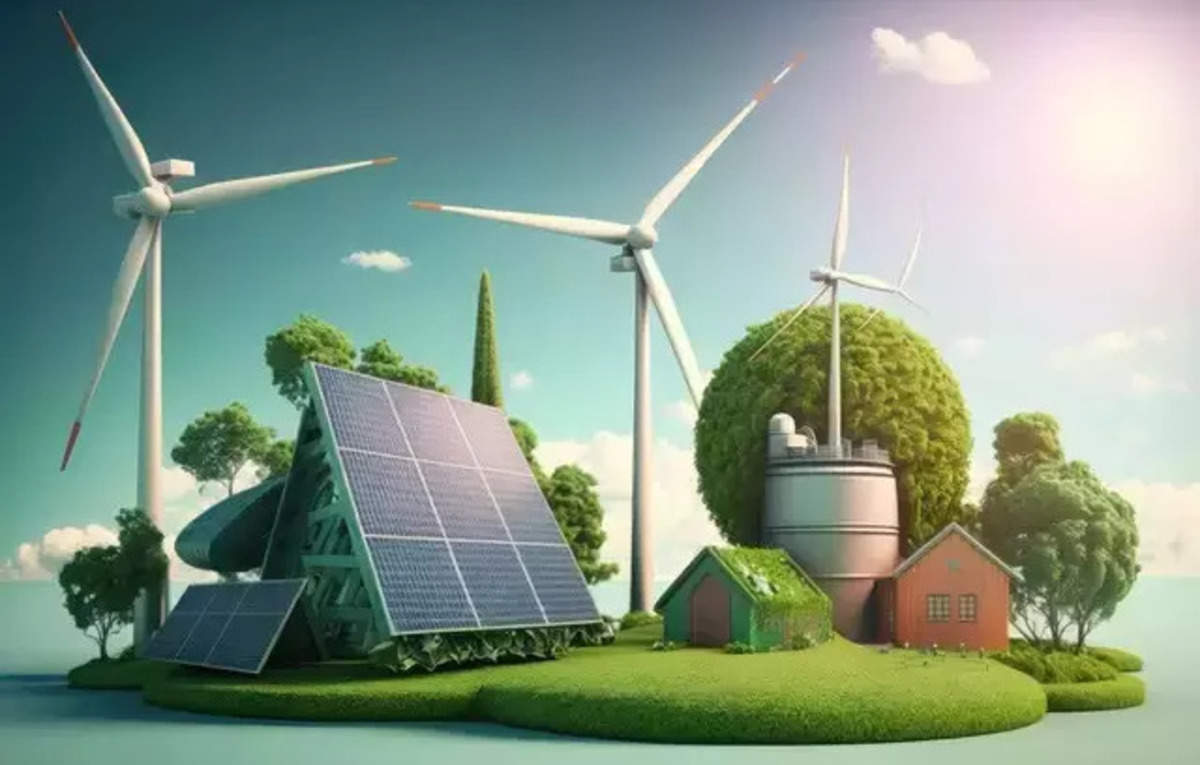
Solar energy continues to lead the renewable sector due to rapid technological improvements and declining production costs. Commercial, industrial, and utility-scale solar farms provide predictable revenue through long-term electricity sales to utilities and corporate off-takers. Residential solar aggregators and yield-focused solar funds also provide steady dividend distributions backed by long-term customer leases and power purchase contracts.
Onshore and Offshore Wind Power Assets
Wind infrastructure represents another core pillar of clean energy portfolios. Onshore wind farms typically require lower initial capital expenditure and offer stable, long-term yield generation. Offshore wind projects, while capital-intensive, deliver significantly higher capacity factors and power yields due to stronger, more consistent ocean wind patterns. Long-term power delivery agreements reduce revenue risk for both formats.
Energy Storage and Battery Management Systems
The intermittent nature of solar and wind generation makes battery energy storage systems (BESS) essential for grid stability. Energy storage facilities monetize market volatility by storing excess electricity during off-peak hours and dispatching it back to the grid when demand and energy prices peak. This arbitrage mechanism generates high operational margins and expanding dividend yields for investors.
Hydroelectric and Geothermal Power Plants
Baseload renewable energy sources, such as hydroelectric and geothermal power, offer continuous, non-intermittent electricity generation. Because these facilities operate with high reliability and low operational costs over multi-decade lifespans, they generate stable, bond-like cash flows ideal for yield-focused investment structures.
High-Yield Investment Vehicles in Renewable Energy
To capture high yields without taking on direct project development risks, investors rely on specific public and private financial instruments designed for steady distribution payouts.
Real Estate Investment Trusts and Renewable Yieldcos
Renewable energy Yieldcos (Yield Companies) and specialized real estate investment trusts (REITs) are publicly traded entities structured specifically to hold operating energy assets. By distributing 80% to 90% of their cash flows to shareholders as dividends, these vehicles offer competitive dividend yields while retaining exposure to long-term green assets.
Green Bonds and Fixed-Income Yield Instruments
Green bonds issued by corporations, municipalities, and multilateral development banks provide debt financing for environmentally friendly infrastructure projects. High-yield green bonds offer higher coupon rates by supporting mid-cap renewable developers or emerging market clean energy transitions, combining steady interest distributions with defined maturity horizons.
Renewable Infrastructure Investment Funds
Private equity funds and infrastructure-focused exchange-traded funds (ETFs) aggregate diversely situated clean energy assets into a single investment portfolio. These funds reduce single-project operational risks by spreading capital across multiple geographies, technologies, and off-taker profiles.
Evaluating Risk and Return Factors in Green Energy Capital Allocation
Achieving top-tier investment performance requires a clear risk-mitigation framework. High yields often reflect specific operational, regulatory, or market dynamics that demand thorough due diligence.
Key Performance Identifiers for Green Energy Investments
A. Power Purchase Agreement Terms and Counterparty Credit Quality B. Regulatory Support and Local Feed-in Tariff Frameworks C. Asset Lifecycle Costs and Capital Expenditure Budgets D. Technological Obsolescence and Efficiency Upgrades E. Grid Integration and Transmission Interconnection Reliability
Analyzing these financial and structural indicators helps safeguard capital against yield cuts, operational disruptions, or unexpected policy changes.
Step-by-Step Implementation Strategy for Individual and Institutional Investors
Building a high-performing green energy portfolio requires a disciplined approach to asset allocation, risk management, and yield optimization.
A. Define Yield Targets and Investment Horizons B. Allocate Capital Across Public Yieldcos, ETFs, and Private Debt C. Review Regional Regulatory Policies and Clean Energy Subsidies D. Assess Project Off-taker Credit Ratings and PPA Durations E. Diversify Across Solar, Wind, Hydro, and Battery Storage Technologies F. Monitor Reinvestment Rates and Quarterly Dividend Stability G. Rebalance Portfolios Annually to Lock in Gains and Limit Exposure
Following a structured asset-allocation plan helps maintain high cash flow while minimizing downside market risk across economic cycles.
Future Growth Drivers in the Clean Energy Financial Sector
The next decade will unlock new yield opportunities driven by technological breakthroughs, industrial decarbonization, and changing global policy standards.

Integration of Artificial Intelligence in Energy Trading
AI-driven smart grids and automated energy trading platforms optimize when and where clean energy is stored or sold to the electrical grid. This efficiency gains expand profit margins for energy producers, translating directly into higher potential payouts for equity and debt investors.
Expansion of Green Hydrogen Infrastructure
Green hydrogen produced using zero-emission electricity represents the primary pathway for decarbonizing heavy industries like steel, shipping, and chemical manufacturing. Early-stage infrastructure investments in hydrogen production facilities offer substantial long-term growth and yield potential as industrial adoption expands worldwide.
Corporate Decarbonization and Direct Power Procurement
Corporations globally are signing direct long-term PPAs with green energy producers to meet ESG targets and stabilize long-term operational power costs. This sustained corporate demand secures revenue visibility for renewable project developers and ensures continuous high-yield distribution pipelines for investors.
Strategic Summary for High-Yield Green Energy Investors
Investing in high-yield green energy combines attractive income generation with long-term structural market growth. By strategically diversifying across Yieldcos, green bonds, energy storage systems, and diversified infrastructure funds, investors can build a resilient, high-cash-flow portfolio. Combining sound financial analysis with clear risk management ensures strong risk-adjusted returns while driving the ongoing global transition toward sustainable energy.